
The Dutch baking industry in 2026: what’s really changing (and why it matters)
Walk into any bakery in the Netherlands today and you’ll notice something interesting: The biggest changes aren’t always the loudest ones.
Yes, flavours evolve. Yes, formats change. But behind the counter, and behind the scenes, the baking industry is quietly being reshaped by nutrition, efficiency, and sustainability pressures that won’t go away in 2026.
Here are five #trends that are genuinely defining the Dutch baking industry this year, from artisanal shops to industrial bakeries.
1. Functional bread is no longer niche
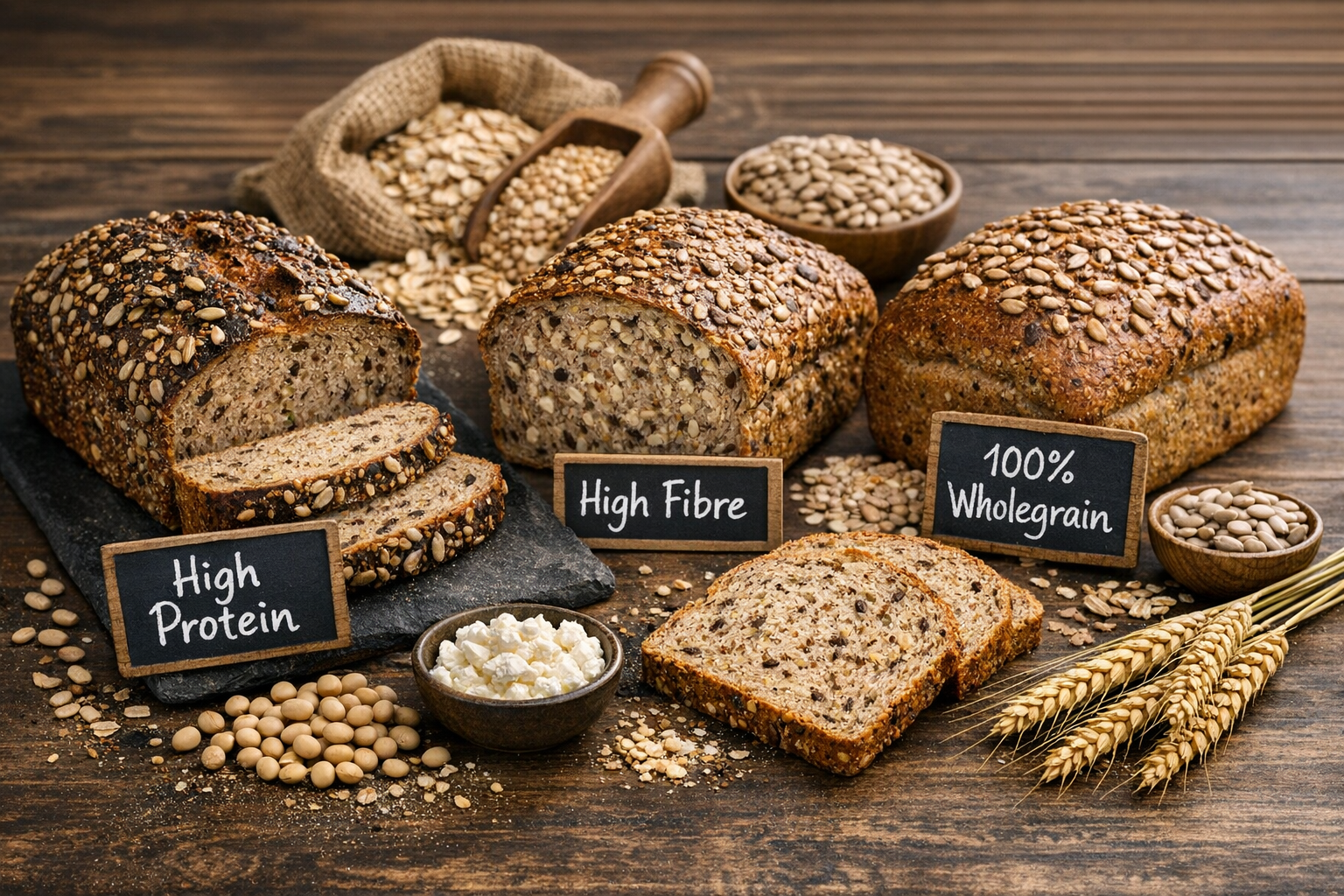
Protein, fibre and “better-for-you” claims have officially moved into the mainstream.
Dutch consumers are looking for daily nutrition upgrades, not extreme health positioning. That’s why we see:
Protein-enriched breads
High-fibre loaves positioned for satiety and gut health
Wholegrain versions of familiar, trusted formats
This is less about trends and more about habit formation. Bread remains a staple, but now it has to do more.
Source: Puratos Taste Tomorrow NL – Broodtrends 2026
2. Sourdough, heritage grains and the “honest story”
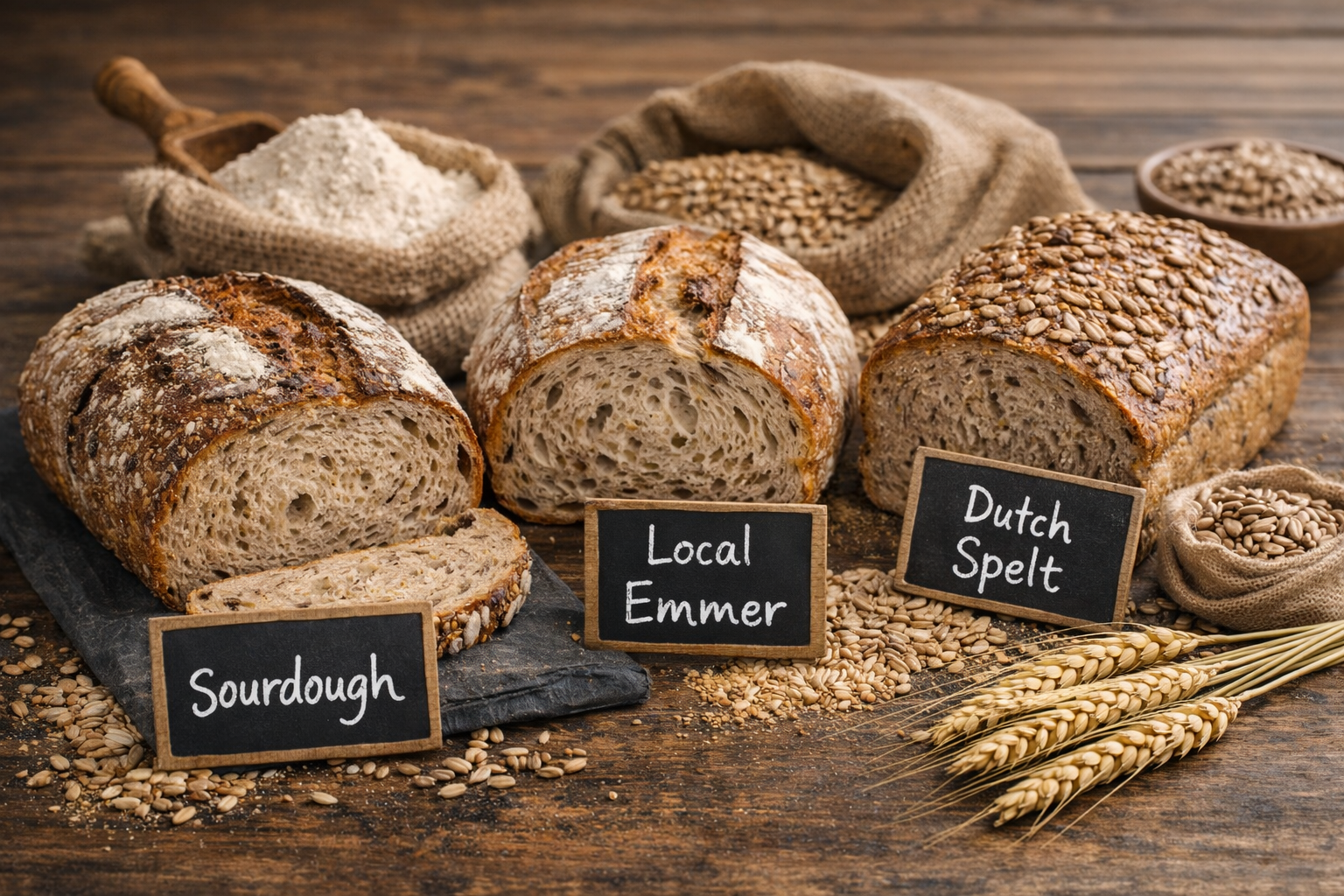
Craftsmanship still sells, but only when it’s authentic.
Long fermentation, sourdough processes, regional flours and heritage grains are gaining ground because they offer:
Better flavour
Digestibility perception
A clear origin story
In the Netherlands, “een eerlijk verhaal” matters. Bakers who can connect product quality with local sourcing and transparency are building long-term loyalty.
Source: Bakkerswereld – Trends 2026: karakter en herkomst
3. Clean label expectations are getting stricter
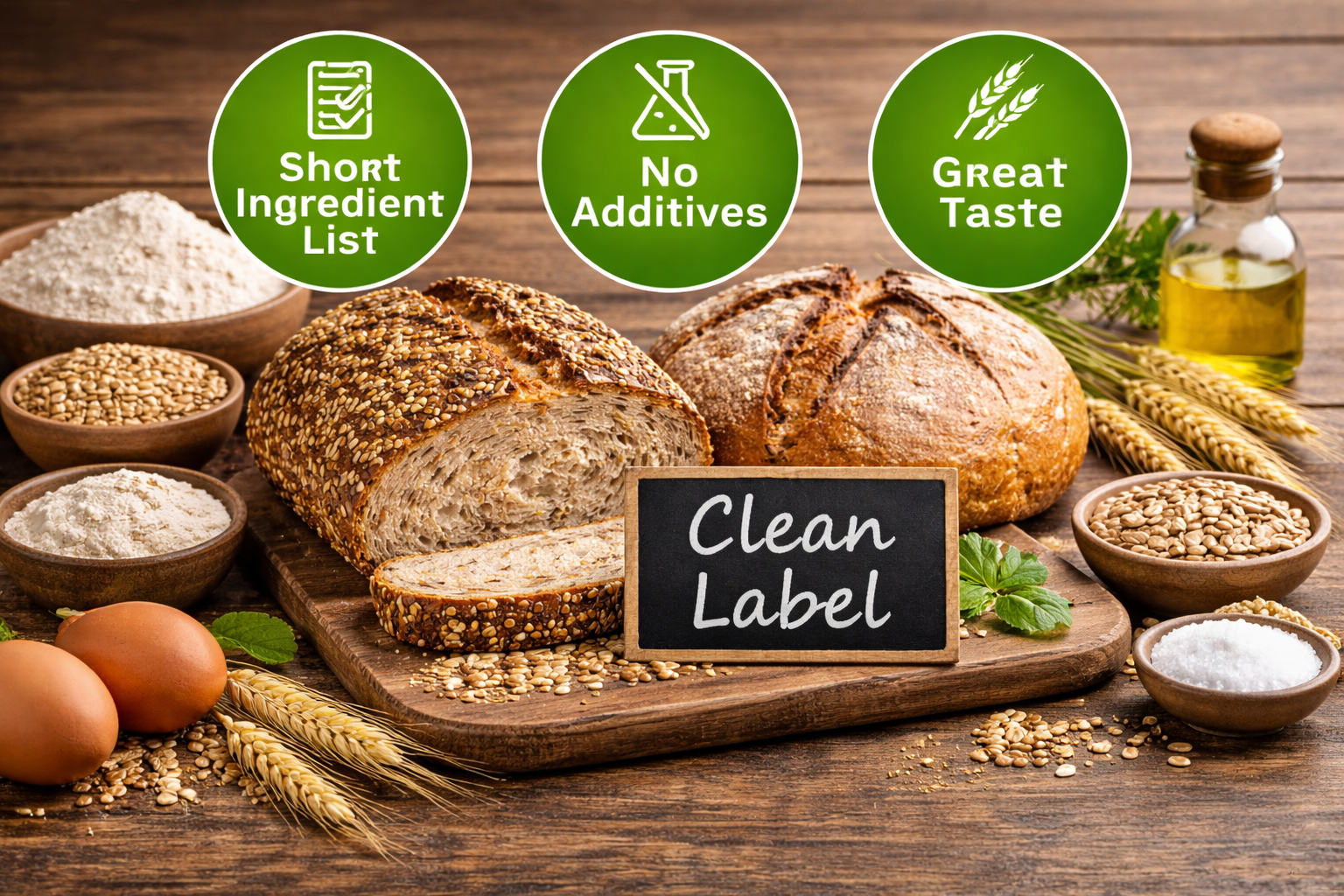
Clean label is no longer just about what you remove but it’s about how you compensate.
In 2026, bakeries are expected to deliver:
Shorter ingredient lists
Fewer additives
No compromise on texture, shelf life or food safety
This pushes innovation toward process optimisation, fermentation techniques and smarter production choices, rather than cosmetic reformulation.
Source: Bakery & Snacks – Clean label bakery in 2026
4. Bakery is becoming an all-day food solution
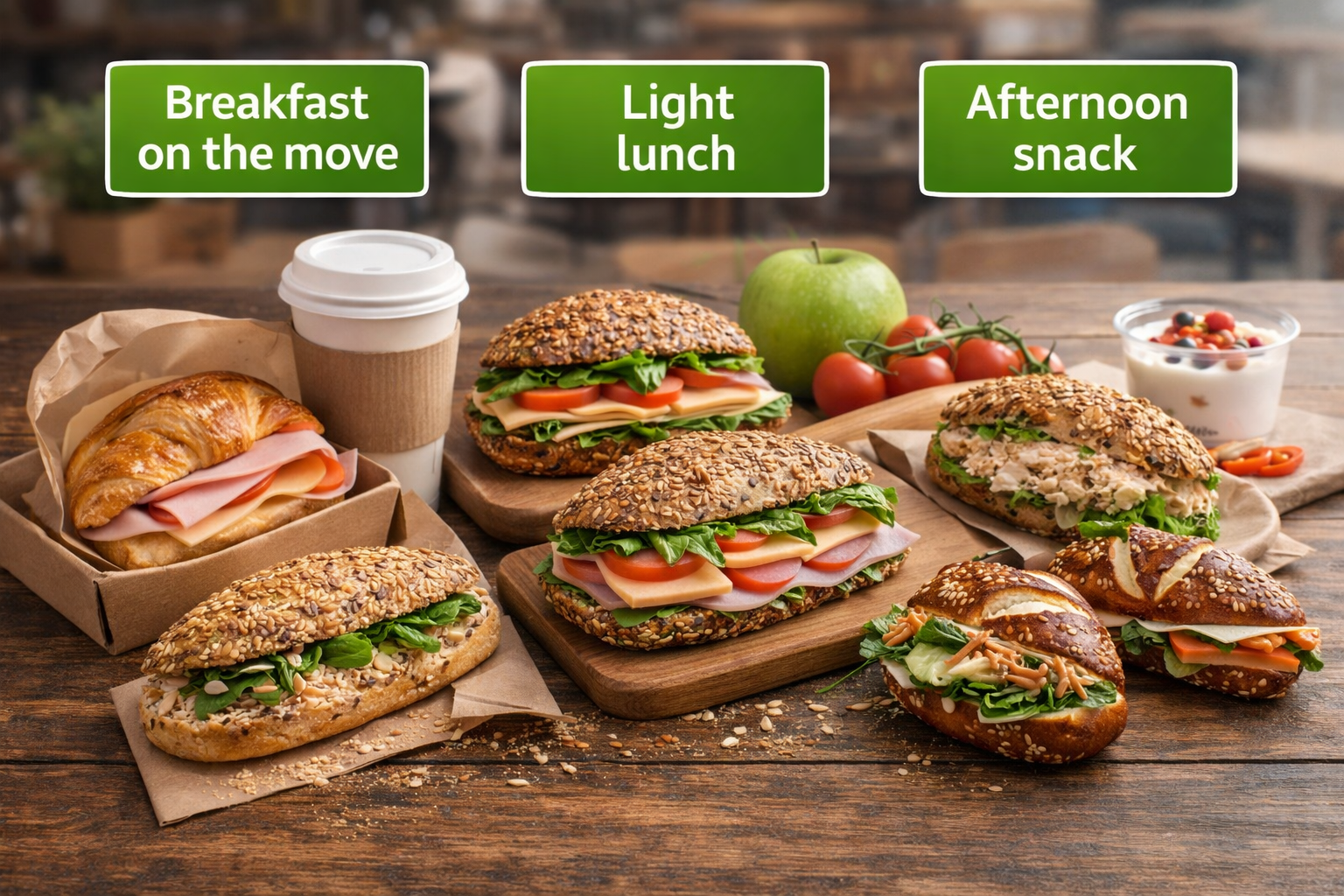
#Snackification is reshaping bakery assortments.
Consumers expect bakery products to work for:
Breakfast on the move
A light lunch
An afternoon protein or savoury snack
That means more filled breads, portion-controlled formats and grab-and-go concepts, especially in urban and commuter-heavy areas.
For bakeries, this is a chance to extend dayparts without reinventing the product category.
Source: Baking Europe – The next big bake
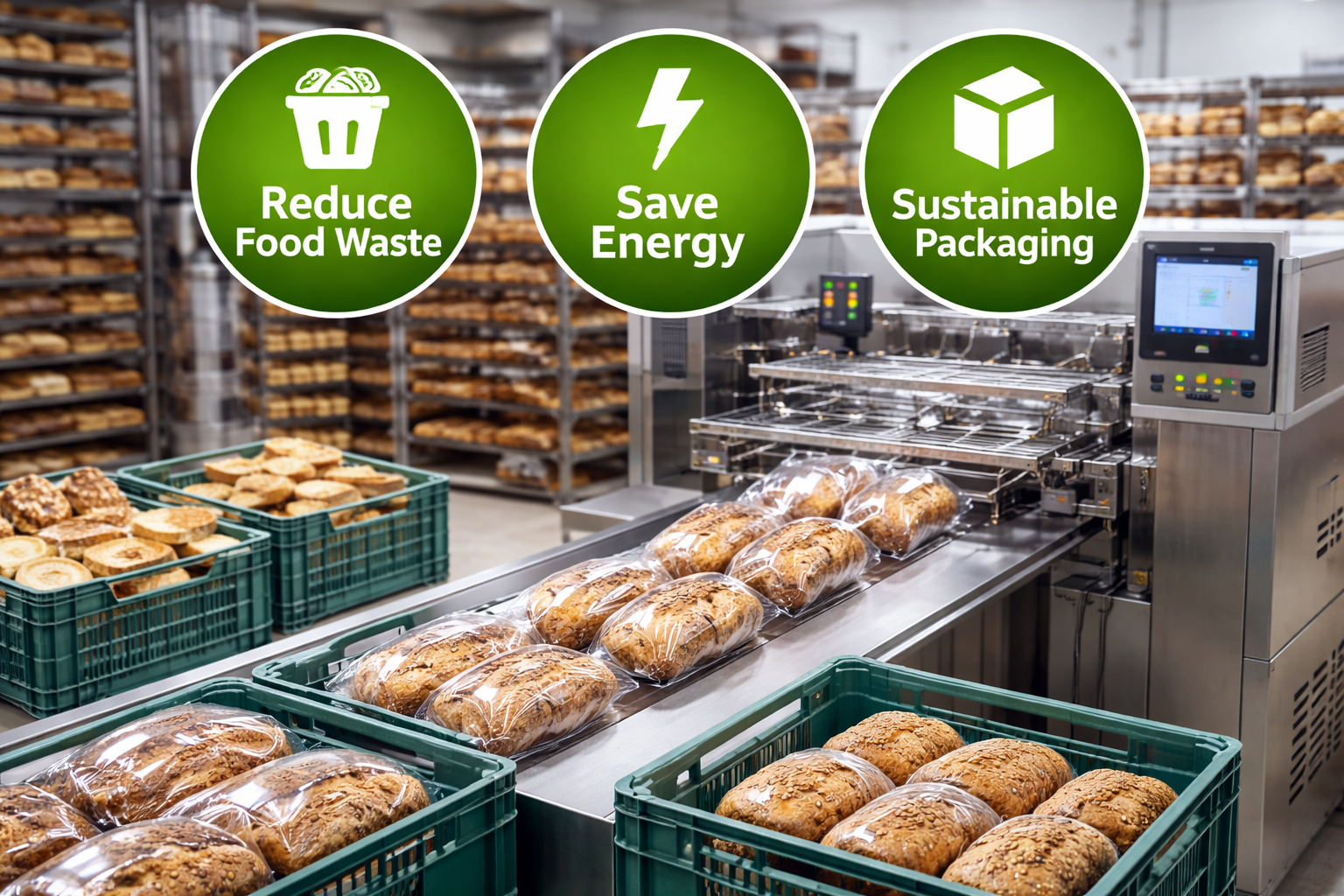
5. Efficiency, waste reduction and energy use are business-critical
This may be the least “sexy” trend—but it’s the most decisive one.
Dutch bakeries are under pressure from:
Food waste reduction targets
Energy costs and energy transition requirements
Packaging legislation for take-away and SUP compliance
Ongoing labour shortages
In 2026, competitiveness is increasingly defined by how efficiently you produce, pack and preserve products, not just how good they taste.
At Weber Vacuum Group , we see firsthand how packaging, #shelf-life extension and waste reduction are becoming strategic tools, not operational afterthoughts.
Sources: – Bakkers in Bedrijf – Reducing bread waste – Bakkerswereld – Energy transition in bakeries – KHN – SUP legislation updates 2026 – NBOV – Future of the Dutch bakery sector
Final thought
The Dutch baking industry isn’t changing overnight, but it is changing fundamentally.
Nutrition, transparency, convenience and efficiency are no longer separate conversations. In 2026, they are deeply connected.
For bakeries and their partners, the winners will be those who understand that great bread today isn’t just baked well. It’s designed well, produced smartly, and protected thoughtfully.
#bakingtrends
