


beta-carotene
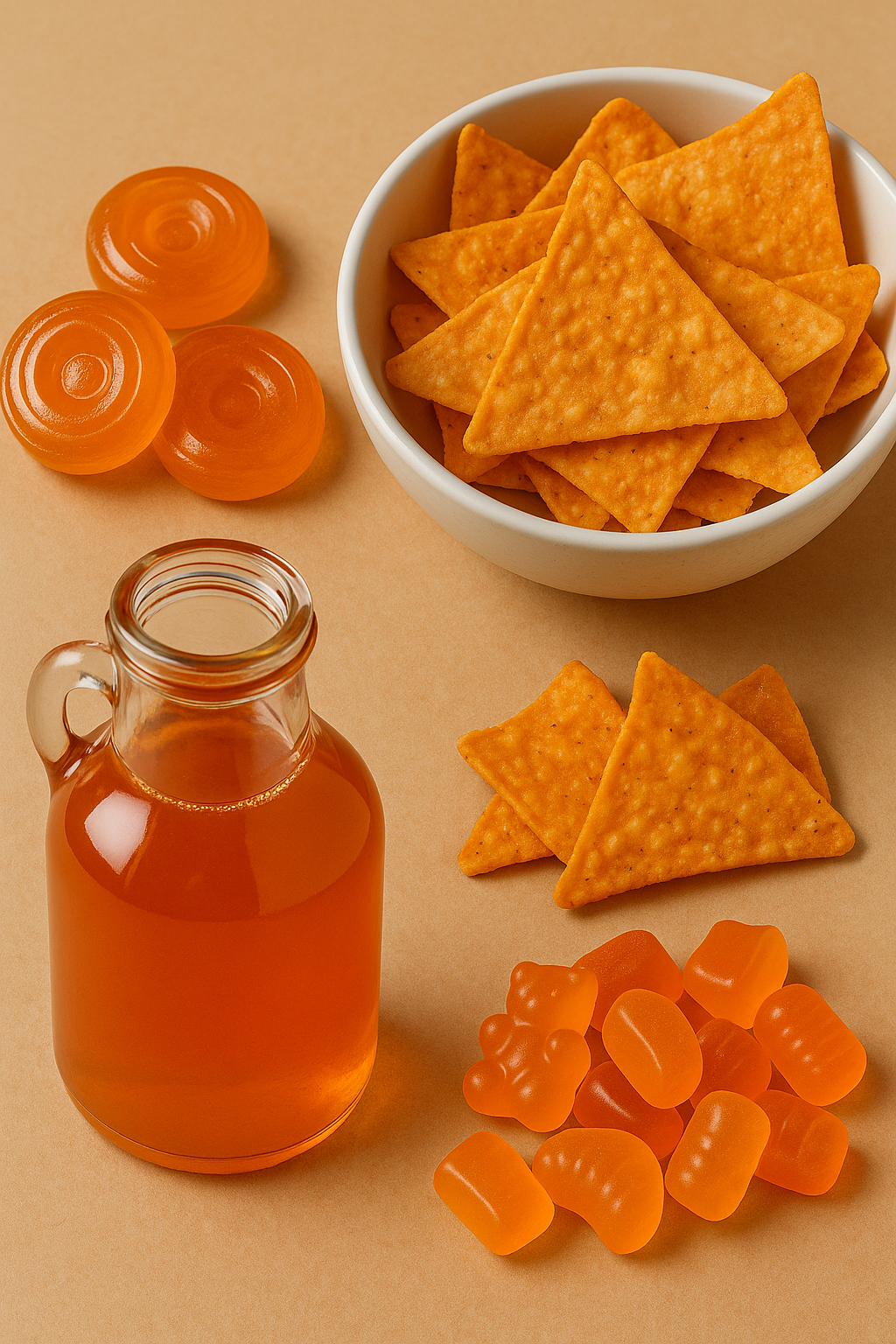
Beta carotene is a naturally occurring pigment classified as a provitamin A carotenoid, renowned for its antioxidant properties and its role in human health as a precursor to vitamin A. In food science, beta carotene is widely utilized as a natural colorant imparting vibrant orange to red hues, enhancing the visual appeal of processed foods while offering added nutritional benefits. Allied Biotech, a trusted supplier in the food industry, provides high-purity beta carotene derived through sustainable biotechnological processes, ensuring consistent quality, stability, and safety for diverse applications in beverages, dairy, confectionery, and nutraceuticals. Choosing Allied Biotech’s beta carotene guarantees not only a reliable source of natural color but also supports clean-label initiatives and aligns with consumer demand for health-conscious, visually appealing products.
Why beta-carotene?
Advantages of Beta Carotene:
Natural and Safe: Derived from natural sources, making it a clean-label ingredient favored by consumers.
Powerful Antioxidant: Supports the body's defense against oxidative stress, promoting overall health.
Vitamin A Precursor: Converts to vitamin A in the body, essential for vision, immune function, and skin health.
Stable Colorant: Provides a bright orange to yellow hue with excellent stability under various processing conditions.
Versatile Applications: Suitable for beverages, dairy, confectionery, bakery, and other food categories.
Non-toxic and Non-carcinogenic: Meets strict regulatory standards worldwide for food safety.
Enhances Nutritional Profile: Adds value to products by combining color with health benefits.
Consumer Appeal: Meets demand for natural ingredients, improving marketability and consumer trust.
-
Food coloring agent in snacks, beverages, and dairy products
Nutritional supplement and vitamin A precursor in dietary supplements
Fortification in infant formulas and cereals
Ingredient in animal feed to enhance coloration and nutrition
Cosmetic products for natural color and antioxidant properties
Pharmaceutical formulations for antioxidant and immune support
Ingredient in fortified cooking oils and margarine
Used in pet food products for coloration and health benefits
Inclusion in health drinks and energy bars for added nutrients
Used in natural dye formulations for textiles and food packaging
-
When formulating with beta carotene, ensure it is incorporated in an oxygen-reduced environment to maintain its stability and prevent oxidative degradation. Using appropriate encapsulation techniques or antioxidants can further enhance its shelf life and color retention in finished products. Adjusting the pH to mildly acidic conditions typically preserves beta carotene’s effectiveness, and selecting compatible carriers or emulsifiers can improve its dispersion and bioavailability without compromising product texture or flavor. Careful consideration of these factors will support optimal performance and consistent quality in your formulations.
Carmine
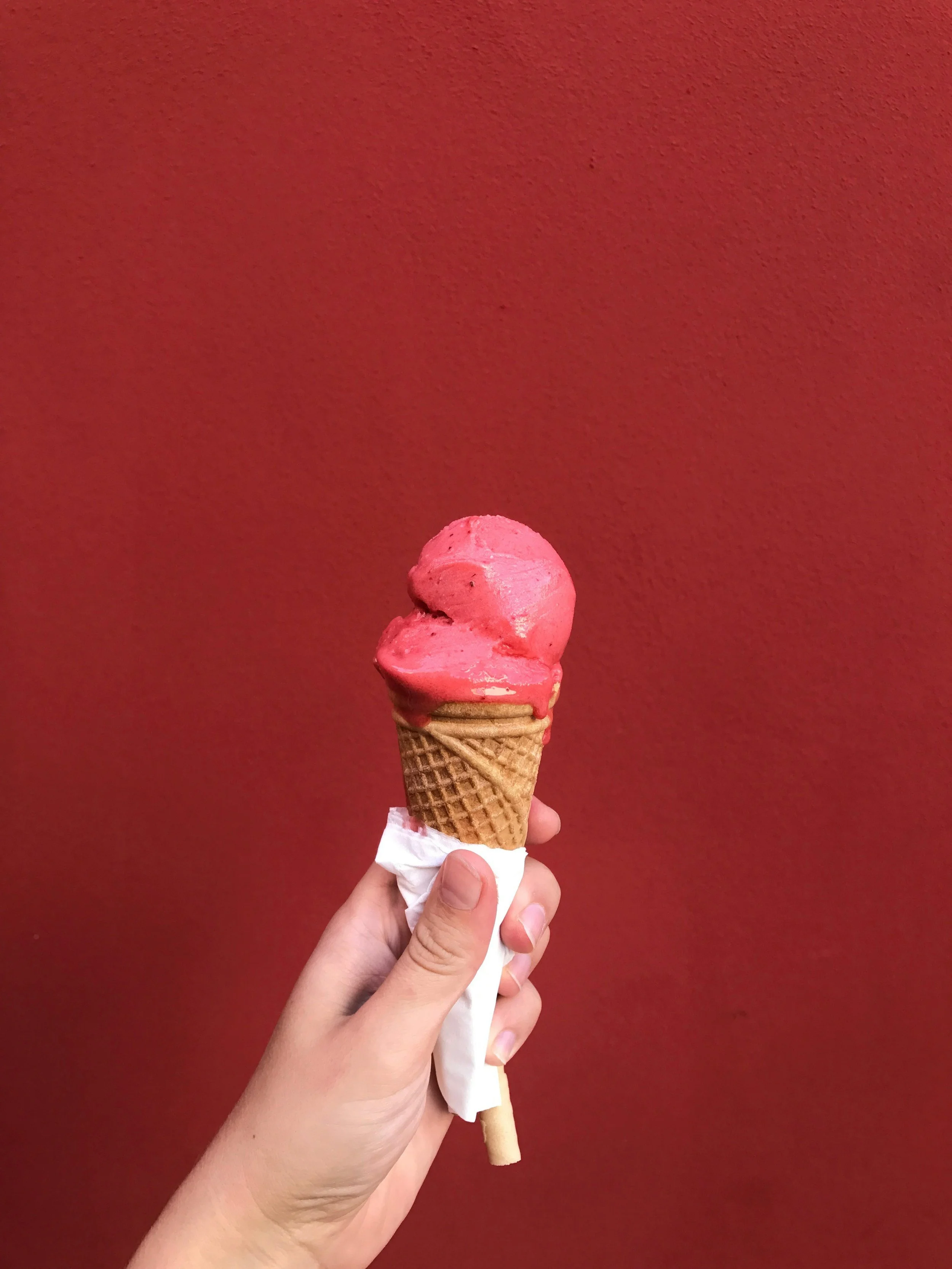
Carmine is a natural red pigment derived from cochineal insects and widely used as a food coloring agent due to its vibrant hue and excellent stability. As a food manufacturer, choosing carmine ensures your products achieve an appealing, consistent red color, which enhances consumer attractiveness while complying with safety and regulatory standards worldwide. Our premium carmine offers superior purity, excellent solubility, and reliable performance across various food applications, from beverages and dairy to confectionery, making it an ideal choice for brands seeking natural, high-quality color solutions that resonate with health-conscious consumers. Investing in our carmine means delivering visually striking products that stand out on shelves without compromising safety or natural ingredients.
Why Carmine?
Natural Origin: Sourced from cochineal insects, Carmine is a naturally derived pigment, appealing to consumers seeking clean-label and natural ingredients.
Vivid and Stable Color: Carmine produces a bright, intense red that remains stable over time, even under various processing conditions such as heat and light exposure.
Wide Application Range: It is versatile and used in numerous food products including beverages, dairy, confectionery, and bakery items, providing consistent and vibrant red hues.
High Tinting Strength: Only small amounts of Carmine are needed to achieve desired color intensity, making it cost-effective in formulation.
Regulatory Approval: Carmine is approved by many food safety authorities globally, including the FDA and EFSA, ensuring it meets strict safety standards.
Non-Toxic and Safe: It is considered safe for consumption, with a long history of use in food products.
Minimal Flavor Impact: Carmine imparts no significant taste to food, preserving product flavor integrity.
Choosing Carmine means opting for a natural, reliable, and vibrant red coloring solution that enhances product appeal and meets consumer demand for natural ingredients. Incorporate Carmine into your formulations to deliver visually stunning, high-quality food products that stand out on the shelf.
-
Applications of Carmine in the Food Industry
Beverages
Soft drinks
Fruit juices
Sports and energy drinks
Alcoholic beverages such as liqueurs and flavored spirits
Confectionery
Gummies and jellies
Hard candies
Chewing gums
Chocolates and coated nuts
Dairy Products
Yogurts and flavored milk
Ice creams and frozen desserts
Cheese products with added color
Bakery Products
Frostings and icings
Pastry fillings
Cakes and cookies
Meat and Seafood Products
Sausages and processed meats for enhancing pink/reddish hues
Surimi and seafood analogs
Sauces and Dressings
Ketchup and barbecue sauces
Salad dressings with reddish shades
Pharmaceuticals and Nutraceuticals
Coatings for tablets and capsules
Syrups and chewable supplements
Cosmetics (Food Grade)
Lip balms and edible lip products where permitted
Carmine's stability, vibrant red hue, and
Applications of Carmine in the Food Industry
Beverages
Soft drinks
Fruit juices
Sports and energy drinks
Alcoholic beverages such as liqueurs and flavored spirits
Confectionery
Gummies and jellies
Hard candies
Chewing gums
Chocolates and coated nuts
Dairy Products
Yogurts and flavored milk
Ice creams and frozen desserts
Cheese products with added color
Bakery Products
Frostings and icings
Pastry fillings
Cakes and cookies
Meat and Seafood Products
Sausages and processed meats for enhancing pink/reddish hues
Surimi and seafood analogs
Sauces and Dressings
Ketchup and barbecue sauces
Salad dressings with reddish shades
Pharmaceuticals and Nutraceuticals
Coatings for tablets and capsules
Syrups and chewable supplements
Cosmetics (Food Grade)
Lip balms and edible lip products where permitted
Carmine's stability, vibrant red hue, and natural origin make it a preferred colorant across various food and beverage categories.
-
When formulating with carmine as a natural red food coloring, it is essential to consider its sensitivity to pH, light, and temperature to maintain color stability. Carmine performs best in acidic environments, typically within a pH range of 3.0 to 7.0, as higher pH levels can lead to color degradation and diminished intensity. To ensure uniform dispersion, proper mixing techniques should be applied
Apocarotenal
Apocarotenal is a natural carotenoid pigment widely used in the food industry to deliver a vibrant orange-yellow color to a broad range of products such as beverages, confectionery, dairy, and baked goods. Valued for its superior color stability and safety, Apocarotenal is a preferred alternative to synthetic dyes, satisfying the growing consumer demand for clean-label and natural ingredients. Produced under strict quality control standards, our Apocarotenal guarantees consistent color intensity, excellent solubility, and compatibility with various formulations. This makes it an ideal choice for food manufacturers aiming to enhance product appeal and market competitiveness. By selecting our Apocarotenal, you ensure a premium, sustainable colorant that complies with regulatory requirements and helps differentiate your brand in a crowded marketplace.
Why Apocarotenal?
Vibrant natural orange color with excellent stability
Clean-label, non-toxic, and safe for food use
Enhances visual appeal without altering flavor
Strong antioxidant properties help extend shelf life
Versatile for beverages, confectionery, dairy, and baked goods
Meets consumer demand for natural ingredients
Supports consistent, high-quality results
Boosts brand trust and market competitiveness
-
Bakery products: Used to impart an appealing yellow to orange hue in cakes, pastries, and bread.
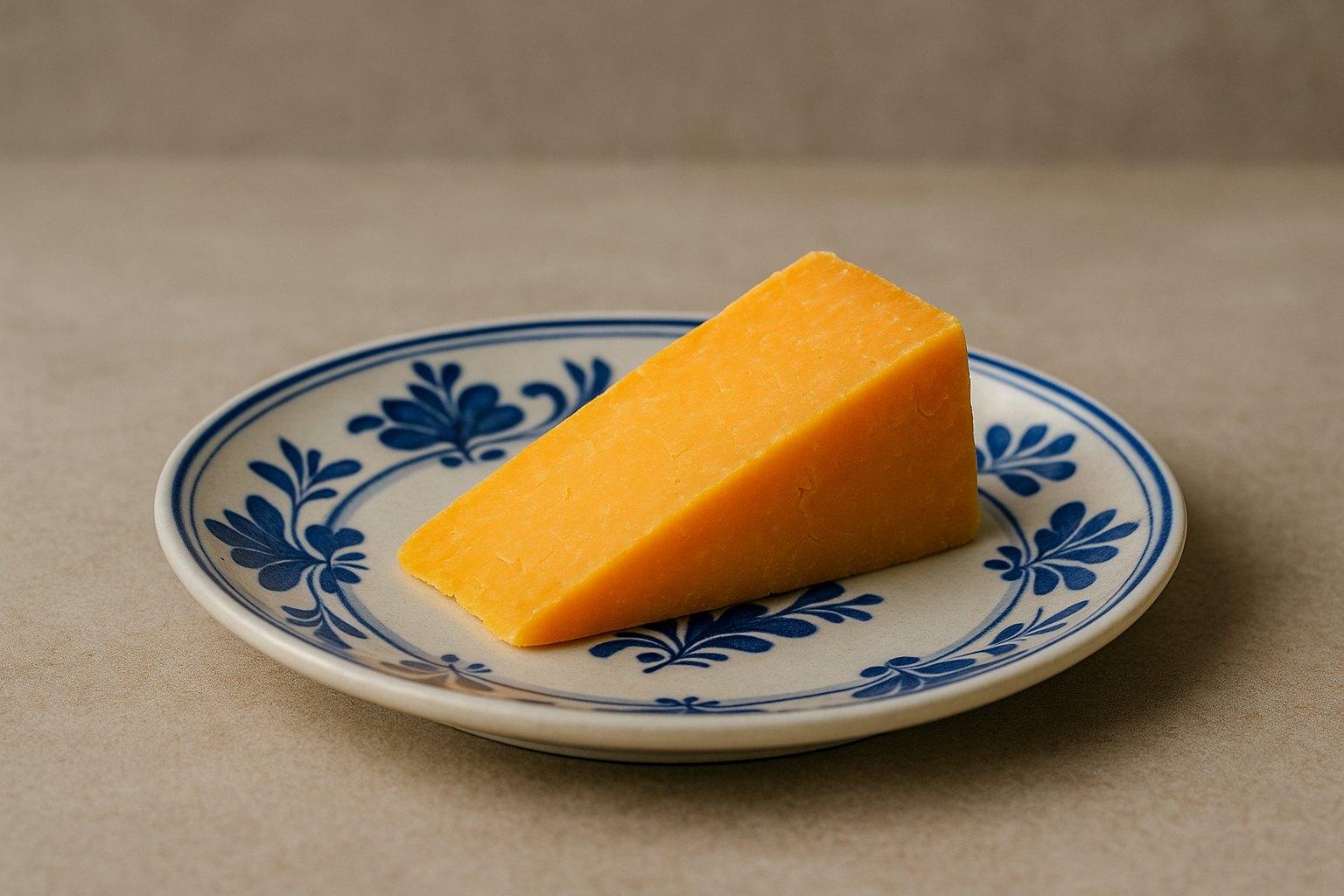
Dairy products: Enhances color in cheese, butter, and margarine, giving a natural, vibrant appearance.
Beverages: Adds an attractive color to fruit juices, soft drinks, and flavored milk.
Confectionery: Provides a rich, consistent orange-yellow color in candies, gelatin desserts, and coatings.
Snacks: Enhances the appearance of snack foods such as chips and extruded products.
Processed foods: Used in soups, sauces, dressings, and ready-to-eat meals for natural color enhancement.
Nutraceuticals: Incorporated into dietary supplements and fortified foods for its provitamin A content and color.
-
Apocarotenal, a high-impact natural orange-red colorant, requires careful formulation to maximize stability and color retention. Use minimal exposure to light, heat, and oxygen during processing and storage, as these factors accelerate degradation. Incorporate antioxidants such as tocopherols or ascorbic acid to enhance oxidative stability. Due to its oil-soluble nature, ensure thorough dispersion in the lipid phase, utilizing emulsifiers or stabilizers compatible with your product matrix. Maintain pH levels between 4 and 7 to prevent color fading and avoid interactions with strong reducing agents that can diminish color intensity. Proper encapsulation techniques can also significantly improve shelf-life and performance in water-based applications.
Annatto
Annatto, a natural food coloring derived from the seeds of the Annatto tree (Bixa orellana), is widely recognized for its vibrant yellow to orange hues, making it a popular choice across the global food industry. Its ability to meet clean-label demands and regulatory compliance worldwide positions Annatto as an ideal alternative to synthetic dyes, supporting consumer preference trends toward natural ingredients while enhancing product appeal and marketability.